
What a 400% casino bonus actually delivers in 2026
A 400% match bonus is one of the largest first-deposit offers on the British market: deposit £50, the casino adds £200, and the balance sits at £250 before the first spin. The mechanism sounds generous and reads cleanly on the registration page, but the cost of clearing it sits in the wagering requirement, and the shape of that cost changed in December 2025 when the Gambling Commission capped qualifying wagering at ten times the bonus. This page walks through what a 400% match really delivers — what the cap looks like in practice, which payment routes trigger it, how long the clearing takes, and which licensed operators carry this kind of welcome offer to British players.
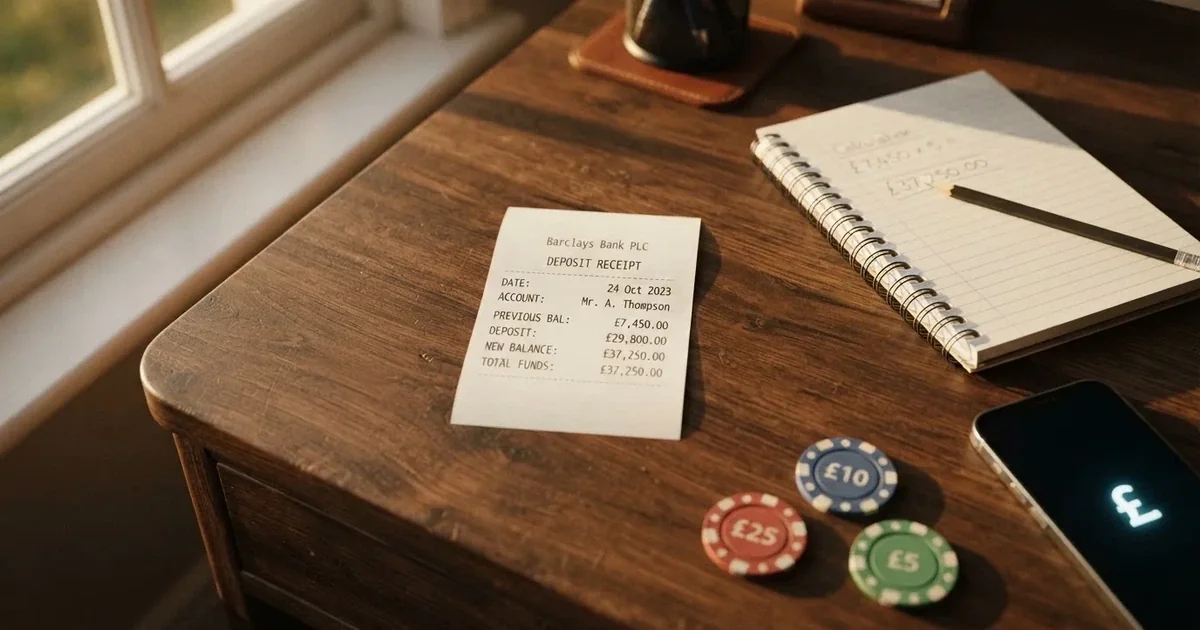
Data current as of 24 November 2026 and verified against the Gambling Commission’s public register of gambling businesses.
Table of Contents
- How a 400% deposit match works at a UK-licensed casino
- Payment routes that trigger a 400% match
- The size and shape of current 400% offers
- How the 10x wagering cap plays out across deposit sizes
- Reading a UK online casino bonus comparison
- How a 400% bonus sits inside UK gambling law
- Responsible gaming around a large welcome bonus
- The licensed operators carrying welcome offers to British players
- Frequently asked questions
How a 400% deposit match works at a UK-licensed casino
A 400% match bonus works by a fixed multiplier: the casino credits the player’s account with four times the qualifying deposit, on top of the deposit itself. A £25 deposit pulls in a £100 bonus, a £50 deposit pulls in £200, and a £100 deposit pulls in £400. The headline figure that matters is not the percentage alone but the percentage multiplied by the deposit cap — what the casino will actually credit if the player deposits the maximum the offer accepts.
Three numbers define every offer of this type: the minimum deposit that triggers it, the maximum bonus the casino will credit, and the wagering multiple applied to the bonus before it converts to withdrawable cash. The first two set the floor and the ceiling; the third sets the work. A 400% bonus capped at £200 on a £50 minimum means the offer peaks at a £250 balance — £50 of the player’s money and £200 from the house. A 400% bonus capped at £400 on a £10 minimum opens the same offer to a smaller deposit: £10 in, £40 bonus, £50 to play with.
The point of the headline number is to flatten the comparison across operators. A 100% match up to £200 and a 400% match up to £50 both credit £50 to a player who deposits £50, but they read very differently on a promotional page. The arithmetic underneath is what decides which one is the better deal, and it depends on the wagering attached.
A 400% bonus is not a permanent feature of the British market — most welcome packages land closer to 100% or 200% — so when one is on offer it tends to carry sharper terms. The larger the credit, the harder the casino works to keep it in play.
Where the bonus sits in the wider welcome landscape
The British welcome-bonus landscape divides cleanly into three tiers. The most common is the 100% match, which doubles the deposit and usually carries the most generous wagering terms — often 30x to 50x the bonus, with free spins bundled on top. Above that sits the 200% match, which triples the deposit and tends to tighten the wagering to 35x or 40x. The 400% match is rarer and lands at the top of the scale: it quintuples the deposit but expects more playthrough per pound credited.

The progression is not accidental. A larger percentage means the casino is putting more house money on the table per pound deposited, so it builds a longer runway to recover that credit. The 10x cap introduced in December 2025 reset that runway across the market — the previous ceiling of unlimited wagering meant a 400% bonus could carry anything from 30x to 80x playthrough, and the new rule forces every bonus into a single band. The percentage still varies, but the multiplier below it now sits inside a tighter window.
The three things a 400% bonus really costs
The wagering requirement is the only number that decides what the bonus is worth, and it costs in three places at once. First, it costs time: each spin at the maximum stake takes a fixed number of seconds, and the total number of spins divided by the spin interval sets how long the clearing takes. Second, it costs expected value: every spin has a house edge, and the total expected loss over the clearing run is turnover multiplied by one minus the return-to-player. Third, it caps the upside: a maximum-cashout rule, where one applies, limits what can be withdrawn even after wagering is complete.
The 10x cap introduced on 19 December 2025 bounds the first of these. A £200 bonus now requires £2,000 of qualifying wagers — no more. Before the cap, the same offer could have asked for £10,000 or £16,000 of playthrough, and the difference between those two numbers is the difference between an afternoon of play and a full working week.
Payment routes that trigger a 400% match
A 400% match bonus is gated on the deposit, and the deposit is gated on the payment method. Not every method qualifies. Credit cards have been banned for gambling in Great Britain since 14 April 2020, including credit-card-funded e-wallet transfers, so the routes that work are debit cards, bank transfers, e-wallets funded from a debit source, and prepaid vouchers such as paysafecard. Each carries its own deposit limits, its own clearing time, and its own eligibility for the welcome offer.
Debit cards and bank transfer
A debit card through Visa or Mastercard is the default route at almost every British online casino, and it almost always qualifies for the welcome bonus. Deposits clear instantly through the Faster Payments Service where the operator supports it, or through the card network’s own rails; withdrawals go back to the same card in most cases. The deposit ceiling is set by the bank rather than the casino — Visa and Mastercard routinely allow single transactions of several thousand pounds, and Faster Payments allows up to £1,000,000 per transaction, though most banks impose lower daily limits on their customers.
A bank transfer direct from a current account works the same way as a debit card for bonus eligibility but takes longer to clear on the way in — typically a few minutes via Faster Payments, occasionally up to two hours — and longer still on the way out, because casino withdrawals by bank transfer often pass through an extra screening step before the funds arrive.
Apple Pay
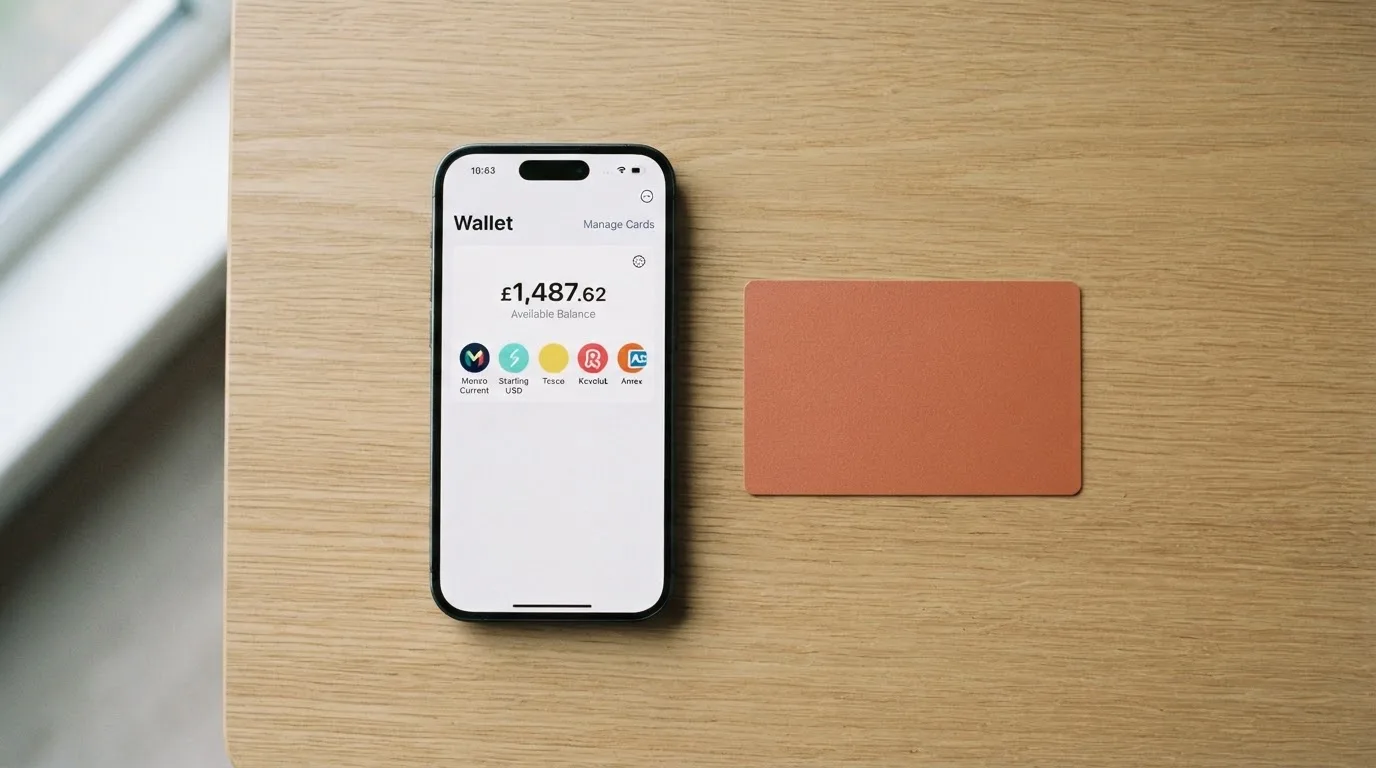
Apple Pay works on the deposit side at most British casinos that accept it, and it sits on top of a debit card from a participating card issuer. The transaction looks like an Apple Pay payment to the casino but clears through the underlying Visa or Mastercard rails, so it usually counts as a card deposit for bonus purposes. The deposit itself is authenticated by Face ID or Touch ID on the phone, and the card data is replaced by a device-specific tokenised number rather than the real card number, so the casino never sees the card it is being paid by.
Apple Pay was launched on 20 October 2014 and supported only US-issued cards at first; UK card support followed on 14 July 2015. The wallet is not available in every market — Apple states that a supported card from a participating issuer is required — but it is broadly available across the UK through the major banks. Whether the casino accepts it as a qualifying deposit for the welcome bonus depends on the operator’s own terms, and the safest reading is to check the bonus small print before depositing.
E-wallets funded by debit
E-wallets such as PayPal, Skrill and Neteller work for deposits at most British casinos, but the welcome bonus is often gated against them. Many operators exclude Skrill and Neteller deposits from the welcome offer entirely, and PayPal is treated case by case. The reason is practical rather than punitive: e-wallet deposits are harder to verify for anti-money-laundering purposes, and operators prefer the card-or-bank route for first-time customers.
Where the e-wallet is accepted for the bonus, the funding source still has to be a debit card or a bank account — a credit card funding the e-wallet breaches the 2020 ban. The wallet then sits between the bank and the casino, and the bonus clearing runs as normal.
Paysafecard
Paysafecard is a prepaid voucher bought with cash at a retail outlet or online, and it works at a growing number of British online casinos. The deposit is funded by the voucher rather than by a card, so it counts as a cash-equivalent deposit for bonus purposes at most operators that accept it. The catch is the ceiling: a single paysafecard voucher is capped at £100, and the maximum spend per month is £1,000 across the user’s account, so a player who wants to deposit £250 to clear the welcome bonus needs to buy multiple vouchers or combine paysafecard with another method.
A paysafecard deposit still counts towards the player’s own spending limit at the casino, and it is worth setting one before the deposit goes in. The voucher is anonymous at the point of purchase, but the casino still has to verify name, address and date of birth before the first deposit or any play — that requirement has been in force since 7 May 2019 and applies to every payment route, including paysafecard. Payment verification is mandatory.
AstroPay
AstroPay is a global digital wallet offering online payments, virtual and physical debit cards, and peer-to-peer transfers; it was founded in 2009 and is headquartered in Uruguay. The UK entity, Larstal Limited, is an electronic money institution authorised by the Financial Conduct Authority under the Electronic Money Regulations 2011, and the Isle of Man entity is licensed by the Isle of Man Financial Services Authority for money transmission. The wallet is offered by some British-facing casinos as a deposit route, and its eligibility for the welcome bonus depends on the operator.
Cryptocurrency at a UK-licensed casino
Crypto deposits sit outside the usual rails at a Gambling Commission-licensed casino. No Commission-licensed operator runs a pure crypto deposit flow for British customers, because the Commission’s anti-money-laundering rules require verified funding sources and a crypto wallet does not meet that bar in the way a UK bank account does. A crypto-funded 400% bonus at this level means an offshore site rather than a licensed one, and offshore carries its own cost — no GAMSTOP, no Commission complaints route, no approved ADR. The bonus can still be claimed and the multiplier can still be 400%, but the protection that sits behind a British licence does not travel with the deposit.
The trade-off is real. A player who wants the maximum multiplier and is comfortable funding from a wallet will find 400% offers offshore that no British operator matches. A player who wants the protection will find lower multipliers and tighter caps inside the licensed market. Neither is the wrong answer; they are different answers to different priorities.
The size and shape of current 400% offers
The 400% match is rare on the British market. Most welcome packages land in the 100% to 200% band and carry larger maximum bonuses to compensate — a 100% match up to £200 is a more common shape than a 400% match up to £50, even though the headline percentage reads smaller. When a 400% offer does appear, it tends to slot into a smaller maximum bonus, a lower minimum deposit, and the standard 10x wagering cap.
What the cap looks like in practice
The 10x wagering cap in force since 19 December 2025 means the cost of clearing a 400% bonus is now bounded. Take a £50 deposit triggering a £200 bonus at 400% — the qualifying wagering is £200 multiplied by 10, which is £2,000 of playthrough. At a £5 maximum stake per spin for a player aged 25 or over, that is 400 spins. At 2.5 seconds per spin — the minimum gap the Commission permits — 400 spins run to roughly 17 minutes of continuous play.
That figure is for the wagering alone, and it is a statistical estimate rather than a guaranteed outcome. The actual cost of the run sits in the expected loss: £2,000 of turnover multiplied by the house edge, where the house edge is one minus the slot’s return-to-player. A 96% RTP slot carries a 4% edge, and £2,000 multiplied by 4% is £80 of expected loss over the clearing run. The £200 bonus is therefore expected to leave the player around £80 worse off once it is fully cleared, before any of the player’s own £50 deposit is taken into account.
The arithmetic works the other way for smaller deposits. A £10 deposit triggering a £40 bonus at 400% asks for £400 of wagering at 10x, which is 80 spins at £5 stake — about three and a half minutes of play. The expected loss at 96% RTP is £16, against a £40 bonus. The bonus is still negative expected value, but the absolute loss is smaller because the bonus itself is smaller.
How the band works for different deposits
The 10x cap means a 400% bonus produces a band of clearing costs rather than a single figure. The band runs from the smallest qualifying deposit to the maximum bonus the offer accepts, and the wagering cost moves with it. The table below traces the band for a hypothetical 400% match with a £10 minimum and a £200 maximum bonus, at the £5 maximum stake and 96% RTP:
| Deposit | Bonus credited | Total balance | Required wagering | Spins at £5 | Expected loss at 96% RTP |
|---|---|---|---|---|---|
| £10 | £40 | £50 | £400 | 80 | £16 |
| £25 | £100 | £125 | £1,000 | 200 | £40 |
| £50 | £200 | £250 | £2,000 | 400 | £80 |
| £50+ | £200 | £250+ | £2,000 | 400 | £80 |
The table assumes the player wagers only the bonus amount — once the bonus is consumed, the wagering requirement is met and the remaining balance (deposit plus any winnings) becomes withdrawable subject to the bonus terms. The expected loss column is a statistical average over many such runs, not a prediction for any individual session.
The band reads cleanly: the cost rises with the deposit up to the maximum bonus, then plateaus. A player who deposits exactly the minimum gets a small bonus with a small clearing cost. A player who deposits the maximum gets a larger bonus and the largest clearing cost the offer produces. Above the cap, the deposit sits in the balance without attracting more bonus, and the wagering requirement stays at its peak.
Why the cap changed the picture
Before 19 December 2025 a 400% bonus could carry wagering of 30x, 40x, even 80x the bonus — the Commission had no cap, and operators set the multiple themselves. The 10x rule flattened the spread. A 100% match at 35x wagering on a £200 bonus asks for £7,000 of playthrough; a 400% match at 10x on the same bonus asks for £2,000. The 100% match is now the harder offer to clear, in absolute terms, because the higher percentage is offset by the lower wagering — and the 400% match, which used to be the worst offer on this metric, is now closer to the middle of the pack.
The cap also banned mixed-product bonuses — bundles that credit casino spins on the back of a sports bet, for example. A 400% casino match is now a pure casino offer, with no sportsbook sweetener attached.
What a max-cashout cap looks like
Some 400% offers carry a maximum-cashout cap — a ceiling on what can be withdrawn from bonus-derived winnings, even after wagering is complete. A £200 bonus with a 5x max-cashout cap means winnings from bonus play can be withdrawn up to £1,000, with anything above that forfeited. The cap is not universal, and the licensed British market tends to carry fewer cashout caps than offshore offers, but it is worth checking the bonus terms before claiming.
How the 10x wagering cap plays out across deposit sizes
The 10x cap introduced on 19 December 2025 is the single rule that defines what a British 400% bonus costs to clear, and its effect varies by deposit size in a way the marketing pages do not always show. The arithmetic is simple, but the practical reading depends on what the player is optimising for: time spent clearing, expected loss, or the size of the bonus relative to the deposit.
The smallest qualifying deposit
At the minimum deposit — usually £10 or £20 — the bonus is small in absolute terms but the percentage is at its most dramatic. A £10 deposit at 400% credits £40, and the £50 balance takes 80 spins at the £5 maximum stake to clear. At 2.5 seconds per spin, that is about three and a half minutes of play — long enough to feel like a session, short enough that the player is unlikely to lose focus. The expected loss is £16 at 96% RTP, against a £40 bonus, and the net expected value is negative £16 on the bonus alone.
The small-deposit case is the one where the 400% multiplier looks most generous, because the player’s own money is the smallest part of the balance. It is also the case where the wagering rule does the least work: 80 spins clears quickly, and the player is back to the cash balance inside minutes.
The middle of the band
At £25 to £50 deposit, the bonus carries real weight and the clearing time stretches. A £50 deposit at 400% credits £200, and the £250 balance takes 400 spins to clear, which takes approximately 33 minutes when playing at a 5-second interval per spin. The expected loss is £80 at 96% RTP — more than the deposit itself, and a clear reminder that the bonus is not free money.
This is the band where the marketing language is most misleading. The £250 balance reads as “five times what I put in”, and it is, but the £80 expected loss is four times the £20 net expected value of the bonus. The casino is paying £200 to bring the player through the door and recovering about £80 of it through the house edge on the clearing spins.
The maximum bonus ceiling
At the cap — say a £50 deposit for a £200 maximum bonus — additional deposit does not produce additional bonus. The bonus sits at £200, the wagering stays at £2,000, and the extra deposit goes into the balance but does not extend the clearing run. A player who deposits £100 instead of £50 has a £300 cash balance after the bonus is credited, but only £200 of bonus to clear; the wagering requirement does not rise with the deposit above the cap.
The practical reading is that the optimal deposit for a 400% bonus with a £200 cap is whatever deposit triggers the maximum bonus. Anything above that produces a larger cash balance but no larger bonus and no more wagering, so the expected value of the additional deposit is unchanged from a normal session.
Reading a UK online casino bonus comparison
A side-by-side comparison of 400% offers has to be done on the same axis. The headline percentage is the easy number to compare and the least informative: two 400% bonuses with different caps and different minimum deposits produce very different balances. The number that does the work is the wagering requirement, and after the December 2025 cap it sits inside a 10x band, but the minimum deposit, the maximum bonus and the eligible games still vary.
What the columns need to show
A useful comparison table carries four columns: the bonus percentage and cap, the minimum qualifying deposit, the wagering requirement, and the eligible games. The percentage sets the multiplier, the cap sets the ceiling, the minimum sets the floor, and the wagering requirement sets the work. The eligible games matter because not every slot counts fully towards the wagering requirement — some contribute 100%, some 50%, some 0%, and a 400% bonus on a slots-only deal differs from a 400% bonus on a live-casino-eligible deal.
What the comparison should not promise
A comparison that ranks 400% bonuses by “best value” is doing the reader a disservice unless it names the wagering requirement and the eligible games. A 400% bonus at 10x wagering on slots is a different offer from a 400% bonus at 10x wagering on live casino, and the expected loss differs accordingly because the house edge differs by game. The licensed British market does not run unlimited wagering, so the spread is narrower than it was, but it is not zero.
A comparison that omits the eligible games is telling the reader only what the marketing page already says. The audit that matters is the one the player runs at the cashier: how much playthrough, on which games, with what cap on winnings. The rest is decoration.
How a 400% bonus sits inside UK gambling law
A 400% welcome bonus at a British online casino sits inside a regulatory frame that has tightened sharply over the last decade. The Gambling Commission, sponsored by the Department for Culture, Media and Sport, licenses every operator that takes customers in Great Britain under the Gambling Act 2005. Since the Gambling (Licensing and Advertising) Act 2014, an operator needs a Commission licence wherever it is based — a Curaçao, Maltese or Gibraltar licence is not a substitute for taking British customers. The public register of gambling businesses is the test of whether a brand holds a licence: every active and white-label domain is listed against the licence account that runs it, and the licence number carries the format account-R-number-suffix, where the leading six digits repeat the licence holder’s account number and the “R” marks a remote (online) licence.
The Commission’s public register listed 139 businesses holding an active remote casino operating licence on 18 September 2026, and the register can be searched online and downloaded in full as CSV or Excel files. The same register held 1,065 active and 361 white-label domain entries on that date — a white-label site trades under another company’s licence, which means two or more brand names can sit on a single operator account. Several major brands share a single licensee: Ladbrokes, Coral and Gala Bingo all sit under LC International Limited, for example, and Jackpotjoy and Virgin Games both sit under Gamesys Operations Limited.
What the licence does and does not cover
A Gambling Commission licence is not a recommendation. It confirms that the operator has passed the Commission’s checks and is subject to its ongoing supervision, but it does not rate the operator, does not compare its offers, and does not guarantee the player a profit. What it does guarantee is a complaints route through an approved alternative dispute resolution provider, a seat at the GAMSTOP national self-exclusion scheme, and a set of social responsibility codes that govern how the operator handles deposits, time-outs and affordability checks.
The Commission’s enforcement powers cover cease-and-desist notices, search-engine delisting, and payment and hosting referrals against illegal sites — but it has no ISP-blocking power, so a player who wanders onto an unlicensed site is not stopped by the regulator. No penalty is aimed at the player; what the player loses on an unlicensed site is protection, not money.
What the December 2025 changes did to welcome bonuses
The 10x wagering cap introduced on 19 December 2025 was the most consequential change to welcome bonuses since the credit-card ban in April 2020. Before the cap, a 400% bonus could carry any multiple the operator chose, and many did — 30x, 40x, 80x were not unusual. After the cap, every bonus is inside a 10x band, and the percentage is the only number that varies freely. The change also banned mixed-product bonuses — bundles that credit casino spins on the back of a sports bet — so a 400% casino match is now a pure casino offer with no sportsbook sweetener.
The cap resets the comparison across the market. A 100% match at 35x wagering on a £200 bonus used to ask for £7,000 of playthrough, while a 400% match at 10x on a £200 bonus asks for £2,000. The 100% match is now the harder offer to clear in absolute terms, and the 400% match has moved from the worst offer on this metric to somewhere in the middle.
Responsible gaming around a large welcome bonus
A 400% match bonus quintuples the deposit, and that larger balance changes how a session feels. The player has more money on the screen, more time before the balance runs out, and a longer runway to chase a win. The Gambling Commission’s player-protection framework was built for exactly this dynamic, and the rules that govern a 400% bonus are the same rules that govern every other welcome offer.
The verification and screening chain
Every British-licensed casino has to verify the player’s name, address and date of birth before the first deposit or any play — that requirement has been in force since 7 May 2019 and applies to every payment route, including paysafecard. The verification is followed by GAMSTOP screening: a player who has self-excluded through GAMSTOP for six months, one year or five years cannot deposit, cannot claim a bonus, and cannot play. The self-exclusion period cannot be cancelled early, and every licensed operator is required to take part.
Financial vulnerability checks
Since 28 February 2025, a player who reaches £150 in net deposits over a rolling 30-day window triggers a financial vulnerability check using public data only. The check is a soft screen — it does not block the deposit, and it does not require the player to provide additional documents at this stage. Wider financial risk assessments have been announced but are not yet in force. The £150 threshold is the point at which the operator is expected to engage with the player about spending patterns, and a 400% bonus that pulls in £200 of house money in one deposit is well above it on a single transaction.
Deposit limits and reality checks
There is no state-set deposit or loss ceiling in Great Britain. Operators must prompt a customer to set a financial limit before the first deposit — that requirement has been in force since 31 October 2025 — and the prompt is not optional. A player who does not set a limit at registration is asked again at the cashier before the first deposit goes through, and the limit can be tightened at any time but can only be loosened after a cooling-off period.
Reality checks — pop-up reminders of how long the session has been running and how much has been spent — are mandatory on slots. Since 31 October 2021 auto-play has been banned: a slot spin may not be faster than 2.5 seconds, and “losses disguised as wins” — slot animations that celebrate a payout smaller than the stake — are banned outright.
Where to get help
The National Gambling Helpline, run by GamCare, and GambleAware are the two main referral routes for British players. GamCare offers confidential support by phone and live chat, and GambleAware funds treatment and research across Great Britain. A player who feels the welcome bonus has changed how they play — longer sessions, larger deposits, chasing losses — is encouraged to set a deposit limit, take a time-out, or self-exclude through GAMSTOP before the next session starts.
The licensed operators carrying welcome offers to British players
The brands below are listed on the Gambling Commission’s public register as holders of an active remote casino operating licence, with the domain and the licence number shown against each. Several brands share a single licensee, which means a complaint or a withdrawal issue at one brand may be handled by the same parent company as another on the list. Every British-licensed operator takes part in GAMSTOP, runs affordability checks at the £150 rolling 30-day threshold, and applies the 10x wagering cap to bonus offers. This list is updated regularly.
Brand licence and register status
| Brand | Licence holder and GB remote casino licence | Domain status on the register | Subject support |
|---|---|---|---|
| BetVictor | BV Gaming Limited · 039576-R-319370-028 | Active | — |
| Betfair | PPB Games Limited · 039411-R-319335-010 | Active | — |
| kwiff | Eaton Gate Gaming Limited · 044448-R-323408-017 | Active | — |
| Ladbrokes | LC International Limited · 054743-R-330863-014 | Active | — |
| Virgin Games | Gamesys Operations Limited · 038905-R-319430-022 | White label | — |
| Betway | Betway Limited · 039372-R-319367-029 | Active | — |
| Jackpotjoy | Gamesys Operations Limited · 038905-R-319430-022 | Active | — |
| Betfred | Petfre (Gibraltar) Limited · 039544-R-319290-010 | Active | — |
| Sky Vegas | Bonne Terre Gaming Limited · 065519-R-339675-002 | Active | — |
| 888casino | 888 UK Limited · 039028-R-319297-014 | Active | — |
The licence numbers above are taken from the Commission’s public register on 18 September 2026. The register can be searched online and downloaded in full as CSV or Excel files, and the entries are updated as licences change status.
BetVictor
BetVictor runs under BV Gaming Limited on remote casino operating licence 039576-R-319370-028, with the brand’s website currently registered as active. The brand sits inside a longer-established British bookmaker that has carried an online casino for years, and its bonus offers tend to skew toward sports customers who also play casino games. The verification, GAMSTOP screening and 10x wagering cap all apply at the cashier, and a 400% match offer on this brand would carry the same clearing arithmetic as any other licensed operator.
A player who already has a BetVictor sports account and wants a casino welcome offer will find the verification chain already complete; a player registering fresh will go through name, address and date-of-birth checks before the first deposit. This financial screen applies to all qualifying first deposits.
Betfair
Betfair runs under PPB Games Limited on remote casino operating licence 039411-R-319335-010, with the brand’s official site verified as an active domain. The brand is best known for its exchange and sportsbook, and its casino product sits alongside that core. A 400% match offer on Betfair would carry the standard 10x wagering cap and follows the same general game-contribution rules as other major licensed operators, with GAMSTOP screening before the bonus is credited.
The exchange heritage means Betfair carries a wider variety of payment methods than a casino-only brand, and a player funding from a debit card or a bank transfer will find both routes qualify for the welcome offer. The brand’s complaints route runs through the Commission’s approved ADR provider, and the licence is current as of 18 September 2026.
kwiff
Kwiff runs under Eaton Gate Gaming Limited on remote casino operating licence 044448-R-323408-017, with the brand’s official site appearing as an active domain. The brand is newer than the established names on this list — its licence account sits in the 44,000 series rather than the 39,000 series of the older brands — and its welcome offers tend to be more aggressive on the percentage side. A 400% match offer is the kind of headline kwiff has run in the past, and the wagering requirement on such an offer would sit inside the 10x cap.
The newer account number is not a quality signal either way; it reflects the date the operator entered the Commission’s licensing regime rather than the depth of the operation behind it. Kwiff is subject to the same LCCP and social responsibility codes as every other Commission licensee.
Ladbrokes
Ladbrokes runs under LC International Limited on remote casino operating licence 054743-R-330863-014, with the brand’s website listed as an active domain. The brand sits inside the Entain group, which also runs Coral and Gala Bingo under the same licence account. A player who has self-excluded through GAMSTOP will be blocked across all three brands, and a complaint at one may be resolved at the parent level.
Ladbrokes’ welcome offers tend to be on the conservative side of the market — the brand’s strength is its sportsbook and its retail estate rather than its casino welcome package. A 400% match offer on Ladbrokes would carry the standard 10x wagering cap and adheres to typical market-wide standards for eligible-game contributions.
Virgin Games
Virgin Games runs as a white-label domain of Gamesys Operations Limited on remote casino operating licence 038905-R-319430-022. A white-label site trades under another company’s licence, which means Virgin Games does not hold its own Commission licence but operates on the Gamesys account. The brand carries the Virgin name under licence and runs a casino-focused product rather than a sportsbook.
The white-label structure means a complaint at Virgin Games goes to Gamesys, the licence holder, rather than to a separate operator. The verification, GAMSTOP screening and 10x wagering cap all apply at the cashier, and the same eligible-games structure sits behind any welcome offer.
Betway
Betway runs under Betway Limited on remote casino operating licence 039372-R-319367-029, with the brand’s portal verified on the register. The brand sits inside the Betway group, which runs sportsbook and casino products across multiple markets. A 400% match offer on Betway would carry the standard 10x wagering cap and aligns with the typical eligibility terms found at licensed British casinos.
Betway’s payment-method coverage is broad, and a player funding from a debit card, bank transfer, Apple Pay or an e-wallet will find the welcome offer qualifies on the standard routes. The identity screening process is initiated upon registration.
Jackpotjoy
Jackpotjoy runs under Gamesys Operations Limited on remote casino operating licence 038905-R-319430-022 — the same licence account as Virgin Games — with the brand’s online presence shown as an active domain. The brand runs a bingo-and-casino product rather than a sportsbook, and its welcome offers tend to skew toward bingo customers who also play slots.
A player who has self-excluded through GAMSTOP will be blocked across both Jackpotjoy and Virgin Games, and the complaints route runs through Gamesys. The 10x wagering cap and the standard eligible-games structure apply to any casino welcome offer on the brand.
Betfred
Betfred runs under Petfre (Gibraltar) Limited on remote casino operating licence 039544-R-319290-010, with the brand’s portal appearing on the active register. The brand sits inside the Betfred group, which is one of the largest independent bookmakers in Britain and carries a substantial retail estate alongside its online operation. Such welcome offers typically align with standard industry wagering requirements and game contribution terms.
The Gibraltar-based licence holder does not change the British regulatory position: the operator takes British customers under a Commission licence, and the Gambling Act 2005 applies in full. The Gibraltar base is a corporate structure rather than a regulatory shortcut.
Sky Vegas
Sky Vegas runs under Bonne Terre Gaming Limited on remote casino operating licence 065519-R-339675-002, with Sky Vegas listed as an active domain. The licence account sits in the 65,000 series, which is newer than the established brands on this list, and the brand is part of the Sky Betting and Gaming group. A 400% match offer on Sky Vegas would carry the standard 10x wagering cap.
Sky Vegas’ product is slots-led rather than sportsbook-led, and the welcome offer sits inside that focus. The verification process is carried out immediately upon registration, and vulnerability checks are triggered by the first qualifying deposit.
888casino
888casino runs under 888 UK Limited on remote casino operating licence 039028-R-319297-014, with 888casino listed as an active domain. The brand is one of the longest-established casino-first operators in the British market, and its welcome offers tend to sit in the 100% to 200% band rather than the 400% band. A 400% match offer on 888casino would carry the standard 10x wagering cap.
The brand carries a broad range of payment methods, and a player funding from a debit card, bank transfer or e-wallet will find the welcome offer qualifies on the standard routes. The verification chain runs at registration, before the first deposit or any play.
Frequently asked questions
How does a 400% casino bonus work?
A 400% match bonus credits the player’s account with four times the qualifying deposit, on top of the deposit itself. A £25 deposit pulls in a £100 bonus, and the balance sits at £125 before the first spin. The bonus is then subject to a wagering requirement — the player must wager the bonus a set number of times before it converts to withdrawable cash. The 10x cap in force since 19 December 2025 means the wagering requirement cannot exceed ten times the bonus amount.
What is the typical cap on a 400% match offer?
The maximum bonus on a 400% match offer varies by operator, but the shape tends to be a smaller cap than on a 100% match — £200 or £400 is common, against £100 or £200 on a 100% match at the same minimum deposit. The cap is set by the operator’s bonus terms, and the public-facing promotional page shows the cap alongside the percentage. A 400% bonus capped at £200 on a £50 minimum is a common shape.
Can a 400% bonus be funded through paysafecard?
Paysafecard is accepted as a deposit method at a number of British online casinos, and where it qualifies for the welcome offer it counts as a cash-equivalent deposit rather than a card deposit. The catch is the ceiling: a single paysafecard voucher is capped at £100, so a player who wants to deposit more than that needs to combine vouchers or use a different method. The deposit still counts towards the player’s own spending limit at the casino, and the verification chain runs at registration regardless of the payment route.
What wagering requirement applies to a 400% deposit match under current UK rules?
Since 19 December 2025 the wagering requirement on any bonus at a Gambling Commission-licensed casino is capped at ten times the bonus amount. A £200 bonus at 400% match therefore requires £2,000 of qualifying wagers. The eligible games are set by the operator’s bonus terms, and not every game counts fully towards the wagering requirement — slots typically count 100%, table games often count less, and live casino may be excluded altogether.
Are crypto deposits accepted towards a 400% welcome bonus?
No Gambling Commission-licensed operator runs a pure crypto deposit flow for British customers, because the Commission’s anti-money-laundering rules require verified funding sources. A crypto-funded 400% bonus at this level means an offshore site rather than a licensed one, and offshore carries a different cost — no GAMSTOP, no Commission complaints route, no approved ADR. The bonus can still be claimed and the multiplier can still be 400%, but the protection that sits behind a British licence does not travel with the deposit.
How soon does a 400% bonus expire once claimed?
The expiry window on a 400% bonus is set by the operator’s bonus terms and varies across the market. A common shape is 30 days from the date the bonus is credited, after which any unconverted bonus and bonus-derived winnings are forfeited. The wagering requirement must be completed within the window, and a player who has not cleared the bonus by the expiry date loses both the bonus and any winnings derived from it. The bonus terms page at the cashier sets the exact window for the specific offer.